Consumables
Micron-Media Plastic Media
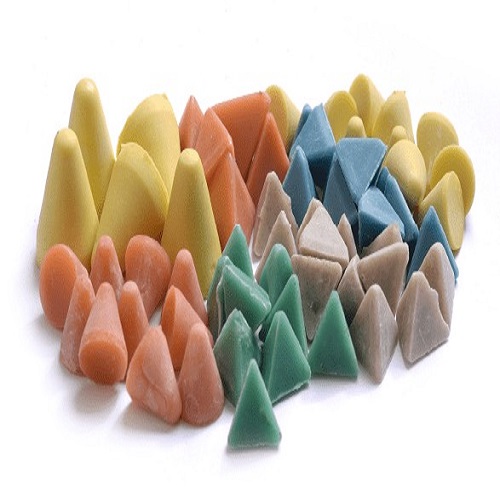
Plastic media consists of synthetic abrasive particles, typically polyester or urea-based, molded into shapes like cones, pyramids, or cylinders. It works by gently abrading surfaces through tumbling or vibrational/centrifugal motion in finishing machines. It is ideal for smoothing without excessive material removal.
Applications:
Plastic media is widely used for delicate or softer materials requiring a fine finish:
- Aluminum and Soft Metals: Deburring and polishing without scratching.
- Plastics and Composites: Smoothing injection-molded components or preparing surfaces for painting.
- Electronics: Finishing housings or connectors without altering tolerances.
- Jewellery: Pre-polishing soft metals like brass or silver.
It excels in achieving uniform, matte, or satin finishes on lightweight parts.
Micron-Cera Media
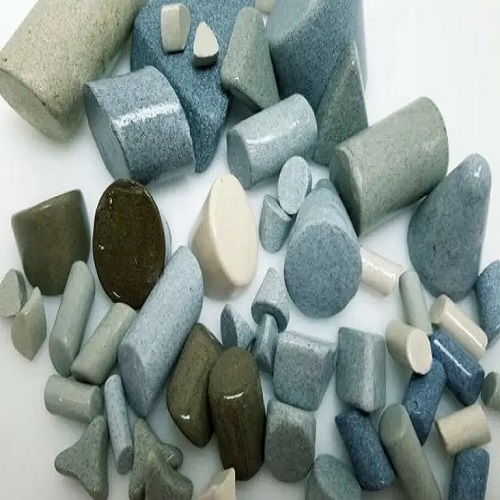
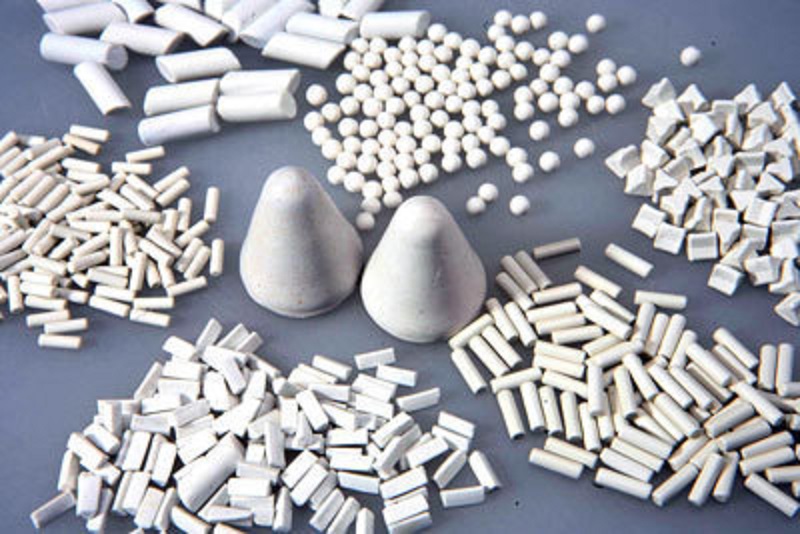
Ceramic media is made from abrasive materials like aluminum oxide or silicon carbide, bonded with clay or porcelain, and fired into durable shapes Its high density and hardness enable aggressive cutting, grinding, and polishing when used in vibratory or centrifugal machines.
Applications:
Ceramic media is suited for tougher materials and heavy-duty tasks:
- Steel and Hard Alloys: Deburring forgings or machined parts.
- Automotive: Smoothing cast iron components or engine blocks.
- Aerospace: Grinding titanium or stainless steel parts for precision.
- Tool Manufacturing: Polishing cutting tools or dies.
It’s ideal for removing heavy burrs, blending surfaces, or preparing parts for plating.
Metallic Media
Principle of Operation:
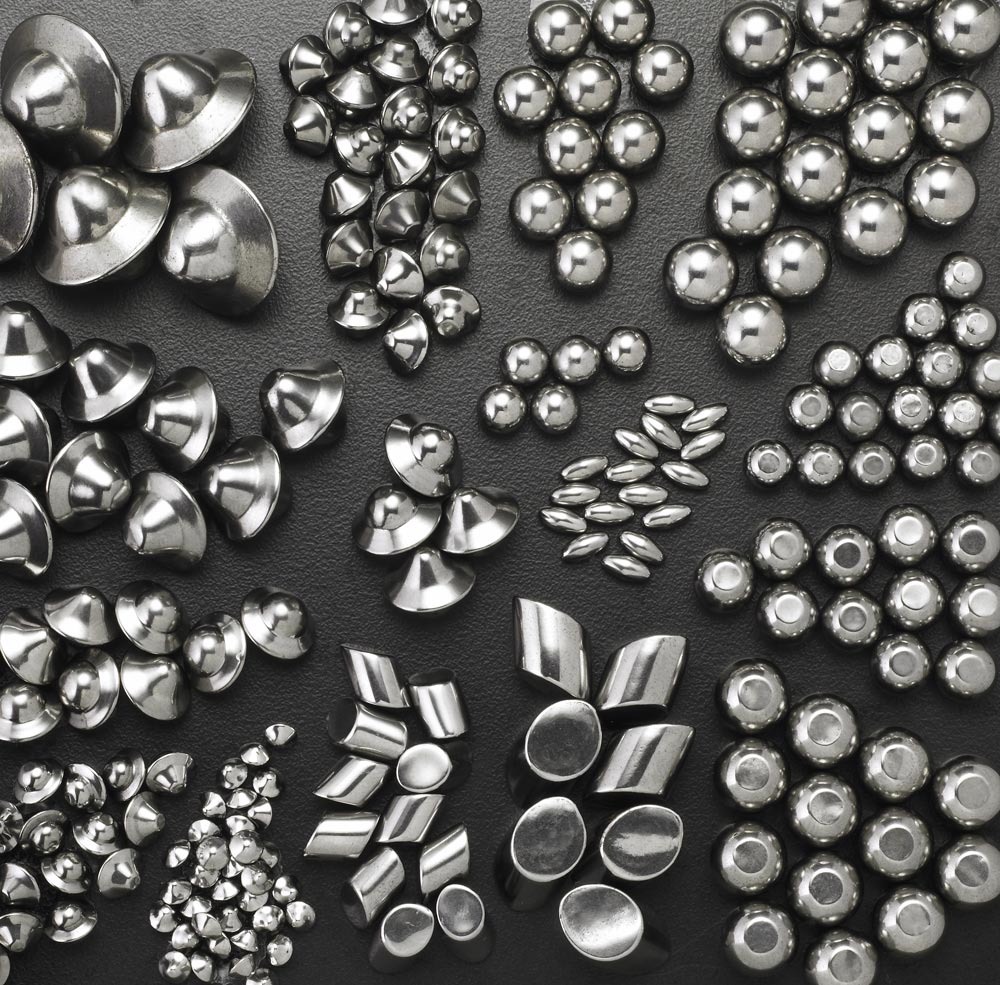
Steel media, typically made from stainless steel or carbon steel, is formed into balls, pins, or diagonal shapes. It relies on its high density and weight to burnish and polish surfaces through impact rather than abrasion. In vibratory or centrifugal machines, it compacts and smooths surfaces by peening, enhancing shine and strength without significant material removal.
Applications:
Steel media is used for high-lustre finishes and surface enhancement:
- Jewellery and Cutlery: Polishing stainless steel or silver to a mirror finish.
- Automotive: Burnishing crankshafts or bearings for durability and aesthetics.
- Hardware: Polishing brass fittings or hinges.
It’s also used for shot peening to improve fatigue resistance in metal parts.
Micron-Chem Finishing Chemicals/Compounds
Chemical compounds are liquid or powder additives (e.g., surfactants, abrasives) mixed with water and media in finishing machines. They enhance the process by lubricating, cleaning, or accelerating media action. the polishing agents promote shine, working synergistically with mechanical abrasion.Compounds reduce friction, prevent media clogging, and improve finish quality, shortening processing times. They ensure cleanliness, corrosion resistance, and consistency.
Applications:
Compounds are versatile and tailored to specific finishing goals:
- Deburring: Accelerating burr removal on metals with abrasive compounds.
- Polishing: Enhancing shine on jewellery or automotive parts with brightening agents.
- Rust Prevention: Protecting steel parts during and after finishing with inhibitors.
Degreasing: Cleaning oily components in manufacturing or aerospace.
They’re essential across all industries using vibratory or centrifugal systems.